Local Authenticity in the Maldives: Island Culture, Food and Everyday Hospitality
04 May 2026, 15:28 · by IzuCT · 5 min read · Travel · EN
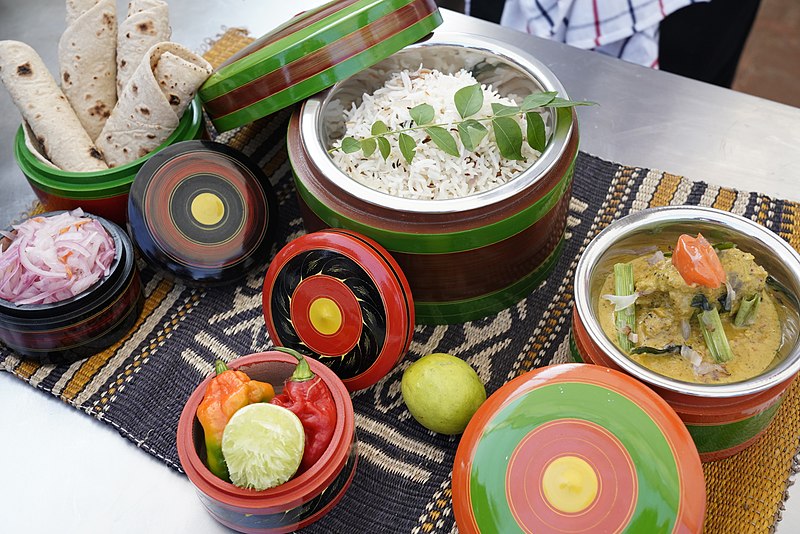
Discover real Maldivian island life through local food, warm hospitality, cultural traditions and premium guesthouse comfort.
Come for the Beach, Stay for the Island
Most visitors come to the Maldives expecting beautiful beaches. They are right to expect them. But the country becomes far more interesting when you spend time on an inhabited island and see how people actually live.
A local island stay gives you something a resort cannot fully offer: the sound of children walking home from school, the smell of fresh flatbread in the morning, neighbours greeting each other across narrow lanes, and the quiet pride of a community that knows its island well.
This kind of travel is not about giving up comfort. A premium guesthouse can still offer clean rooms, thoughtful service and well-arranged experiences. The difference is that your stay is connected to a real place.
A Slower Way to Know the Maldives
Maldivians often use the word Raajje when referring to the Maldives. It is more than a geographic term. It carries a sense of home, islands, people and belonging.
You begin to understand Raajje when you walk through an island slowly. Houses are often painted in bright colours. Courtyards may have coconut palms, breadfruit trees or small kitchen gardens. In the shade, you may see a joali, the traditional Maldivian woven reclining chair, still used for resting, talking and watching the day pass.
These details are easy to miss if you only come for the view. But they are what make the island feel alive.
The Maldives has always been shaped by movement: between islands, across the sea, through trade, fishing and family ties. Local island tourism allows visitors to see part of that living history in a respectful and natural way.
Food That Tells a Story
Food is one of the best introductions to Maldivian culture. It is simple, flavourful and closely linked to the sea.
A typical local breakfast may include mas huni, a mixture of tuna, grated coconut, onion, chilli and lime. The word mas means fish in Dhivehi, and tuna has been central to Maldivian food for generations. Mas huni is usually eaten with roshi, a thin flatbread, and served with tea.
In the afternoon, you may be offered hedhikaa, the local word for short eats. These are small snacks, often savoury, and commonly enjoyed with black tea. Some are filled with fish. Others are made with coconut, chilli or sweet ingredients. Hedhikaa is not just food; it is part of how people gather, talk and welcome guests.
Then there is rihaakuru, a thick fish paste with a strong, savoury flavour. It may surprise first-time visitors, but it is deeply connected to traditional Maldivian cooking. Even if you only taste a little, it gives you a sense of how island communities preserved and used fish carefully over time.
A good host will not simply place food in front of you. They will explain what it is, how it is eaten and why people love it.
Hospitality Without Performance
Local hospitality in the Maldives is often understated. It is not always loud or ceremonial. It may be someone remembering how you take your tea, adjusting your breakfast time before an early excursion, or suggesting a better time for a walk because the sun will be softer.
This is what makes a local stay feel personal. You are not one room number among hundreds. You are a guest whose preferences can be noticed.
For everyday visitors, this matters. Travel is easier when someone helps you understand what to wear on the island, where to swim, when shops open, how to greet people and what customs to observe.
On inhabited islands, modest dress is expected in public areas. Swimwear should be kept for designated beach zones. Alcohol is not served on local islands. These are not difficulties. They are part of travelling respectfully in a Muslim country and being welcomed into a community that has its own way of life.
The Sound of the Island
If you are lucky, you may hear bodu beru, one of the best-known forms of traditional Maldivian music. The phrase means “big drum”. A performance usually begins with a steady rhythm, then grows stronger as singers and dancers respond to the beat.
For visitors, bodu beru is enjoyable because it is direct and energetic. You do not need to understand every word to feel the rhythm. It is music made for gathering, movement and shared enjoyment.
Some islands may also offer craft demonstrations, cooking experiences or guided walks. The best versions of these are not over-produced. They feel honest, relaxed and connected to the people hosting you.
A More Personal Maldives
The beauty of the Maldives is easy to see. The culture takes a little more time. It appears in food, language, music, hospitality and daily routines.
That is why a local island stay can be so rewarding. You still have the beach, the lagoon and the comfort of a premium guesthouse. But you also leave with a better understanding of the country and its people.
You may remember the first Dhivehi word you learnt, the taste of warm hedhikaa, the sound of bodu beru, or a conversation with someone who has lived by the sea all their life.
Those are the memories that make a holiday feel personal.
Come to the Maldives for the view. Stay long enough to meet the island.